
8 Questions About Prepayment Meter Support in the UK
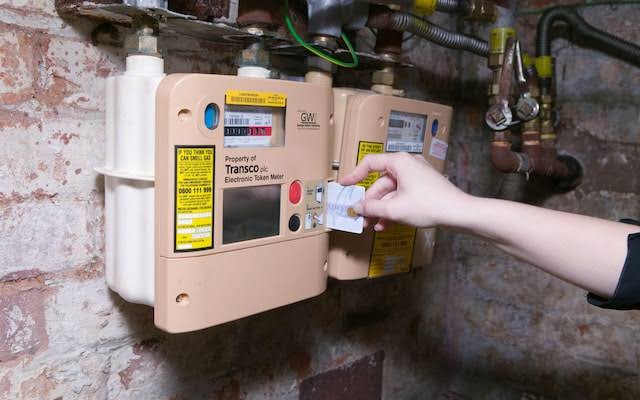
If you cannot top up a prepayment meter, contact the supplier immediately and explain whether the supply is off. Ask what temporary credit and longer-term help are available, rather than waiting until the next normal top-up. I would mention medical needs, young children and access difficulties at the start. Great Britain’s Ofgem protections are not Northern Ireland rules; local suppliers and the Consumer Council provide the Northern Ireland route.
1. Where does prepayment meter support start?
Use the supplier’s established contact details and have your account or meter information ready. State whether the problem is money, a failed transaction, a lost key or physical access. Different problems need different solutions. A working meter with no credit is not the same as a supply fault, even though both can leave the home without usable energy.
2. What is emergency credit?
It is temporary, repayable credit that can keep a supply going when ordinary credit is unavailable. The amount and activation process depend on your supplier and meter. Check how to activate it before an emergency. Southampton Ledger is a website reference here, not a top-up service; use the meter instructions or ask the supplier for help.
3. How do friendly hours work?
Friendly hours credit can prevent electricity running out at specified nights, weekends or bank holidays. It is not free energy or an unlimited extension. Check the exact hours and what must be repaid when they end. Citizens Advice says smart prepayment customers receive it automatically, while availability for other meters needs checking with the supplier.
4. Can I get additional support credit?
In Great Britain, suppliers must help customers struggling to top up, including considering additional credit for vulnerable circumstances. Explain disability, illness, pregnancy, young children or an inability to reach a top-up point. Additional support credit is usually repayable, so agree an affordable recovery rate. Ask about the Priority Services Register, but do not mistake registration for a cash award.
5. Why does a top-up leave so little usable credit?
Some money may cover debt recovery, emergency credit already used or accumulated standing charges. Ask for a breakdown instead of assuming the meter has swallowed the money. A balance explanation must come from the account, not from Brighton Update. If deductions leave too little for current energy, request a lower repayment rate and an affordability review.
After moving home, confirm that the supplier has opened your account from the correct date and removed any previous occupant’s debt from your meter arrangements. Keep opening readings and the tenancy or completion date. You should not be repaying somebody else’s energy arrears simply because their prepayment equipment remains installed.
6. Are fuel vouchers the same as supplier credit?
No. A fuel voucher is separate assistance supplied through an eligible support route, such as a council or referral organisation. Check where it can be redeemed, the identification required and its expiry date. Not every scheme supports every meter or fuel. Ask the issuing organisation about a failed voucher rather than repeatedly attempting incompatible top-up services.
7. What if prepayment is unsafe for my household?
Tell the supplier why the arrangement is unsafe or impractical and ask for reassessment. Medical equipment, severe health conditions and inability to top up can matter. A publication link such as Newcastle Brief does not document those circumstances. Explain the practical risk directly; Great Britain has restrictions on involuntary prepayment and requires safe, suitable arrangements.
If loss of supply threatens someone’s health, make that urgency explicit rather than describing the issue only as a routine payment enquiry. Ask what immediate action the supplier can take and how long it should take. If there is an immediate medical emergency, seek emergency help; do not wait for an account complaint to be resolved.
8. What should happen after the immediate crisis?
Agree the repayment amount, check how much of the next top-up will remain for consumption and ask about ongoing support. If the meter is unreachable, request help rather than moving it yourself. Keep the reference and follow up if credit does not arrive. The emergency is not resolved properly if the same deductions cut the supply off again tomorrow.
General guidance checked on 29 October 2026; support, meter arrangements and protections depend on your location and circumstances.